
More Than Just Memory
We’ve all heard the phrase “an elephant never forgets,” but the reality is even more impressive. Their hippocampi—the part of the brain linked to emotion and memory—are incredibly developed.
- Navigation: Matriarchs can remember the location of water holes over hundreds of miles, even during decades-long droughts.
- Social Recognition: They can recognize dozens of individual family members and “friends” simply by the sound of their low-frequency rumbles.
- Grief and Empathy: They are one of the few species known to exhibit mourning rituals, often staying with deceased family members for days.
Ecosystem Engineers
Did you know that without elephants, entire landscapes would fail? They are often called “ecosystem engineers” because they physically shape their environment in ways that benefit other species:
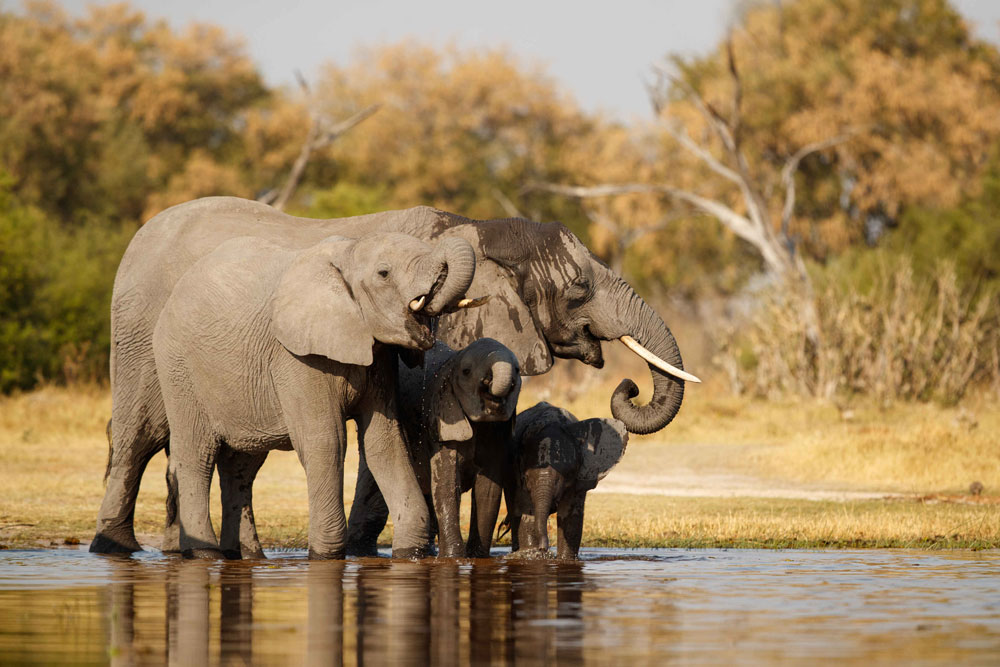
- Creating Water Holes: In dry seasons, they use their tusks to dig for water, creating pools that other animals then use to survive.
- Seed Dispersal: They eat a massive variety of plants and travel long distances, “planting” seeds along the way through their dung.
- Forest Management: By clearing through thick brush and knocking down trees, they allow sunlight to reach the forest floor, promoting new growth.
The Strength of the Matriarch
Elephant society is built on female leadership. A herd is typically led by the oldest, wisest female. Her role isn’t just about power; it’s about survival knowledge. She decides when the herd moves, where they eat, and how they respond to threats. This matriarchal structure ensures that younger generations learn the skills they need to thrive. “Nature’s great masterpiece, an elephant; the only harmless great thing.” — John Donne